
Traditional Braces – Morgan Hill, CA
The No-Frills Approach to Aligned Teeth
Traditional braces have long been the go-to orthodontic service. That’s pretty natural at this point – these brackets and wires have effectively straightened teeth for many years now! Over their history, they’ve proven that they can align crooked grins without causing new problems. So, you can trust the traditional braces in Morgan Hill to do their job well. Our office will even explain the matter further. To that end, simply keep reading or schedule a consultation soon.
How Do Traditional Braces Work?

All teeth – even your own – shift out of place when left alone. They can slowly move over time since they’re connected to tiny jaw ligaments. If they aren’t corrected, their shifts leave them crooked and unfit, lowering your quality of life.
Thankfully, traditional braces stop and reverse this outcome. They rely on a bracket and archwire system that puts pressure on crooked teeth. This pressure then moves each tooth into a straighter and more aligned position.
On average, a traditional braces treatment takes about a year or two. The patient also sees their dental provider every 6-8 weeks during this period to have their archwire adjusted. That way, their braces work properly until the end and produce a greatly-aligned smile.
What Orthodontic Issues Can Braces Fix?
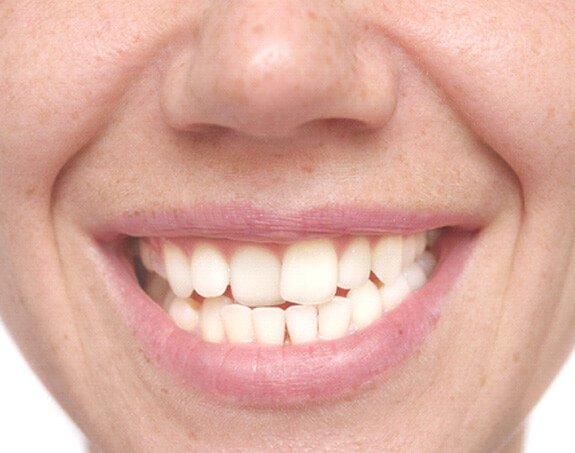
Before you can get braces, you’ll attend a consultation with Dr. Shilpa, Dr. Naveen, or Dr. Hong. This visit lets them about learn the issues you want fixed and whether you’re a good treatment candidate. Naturally, they'll also assess your smile to see if you have problems that traditional braces can solve. These may include:
Bite Misalignment
It isn’t a good idea to leave a misaligned bite alone. If it goes untreated, it can cause TMJ dysfunction and bruxism (i.e., teeth grinding). So, this problem would qualify you for metal braces. The metal parts would slowly move your jaw muscles into alignment. From there, you’d have a nice and even bite.
Crowded & Crooked Teeth
Aside from looking bad, crowded and crooked teeth harm your oral health. They often erode tooth enamel due to rubbing each other too much. Their crooked nature also causes tooth sensitivity and a high risk of cavities and tooth infections. Therefore, you’d do well to correct such teeth with metal braces. They’d guide your smile so its teeth no longer overlap or rub.
Gapped Teeth
When your teeth become gapped, they harm your smile’s look and health. The spaces they create are already unpleasant due to how they appear. Even so, they also trap excess food debris and increase your risk of oral health issues.
Given these things, it’s good that metal braces can fix gapped teeth. The metallic brackets and wires would close up the unneeded spaces in your smile. Your grin would then look much better and be better protected.
Caring for Your Braces
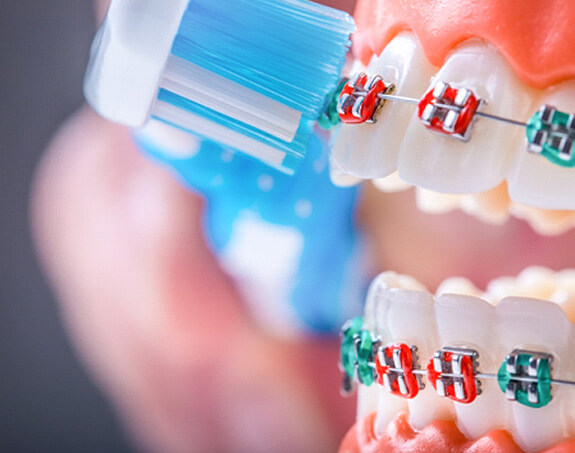
Traditional braces need regular care to work. That being the case, use the following tips:
- Practice Good Oral Hygiene – As best you can, brush your teeth twice daily for two minutes per session. You should also floss (with regular floss or flossers) at least once daily.
- Avoid Risky Foods – You shouldn’t have certain foods with braces. For example, hard, crunchy, and chewy stuff could break your appliance’s archwire or dislodge its brackets.
- See Your Orthodontist Often – Remember to see your orthodontist for regular follow-up work every 6-8 weeks. This setup ensures your metal braces are working as they should.
Understanding the Cost of Traditional Braces

Metal braces can sound like a big investment, so you'll naturally want to confirm their price. (Committing to a treatment you can’t afford won’t work out well.) That said, the cost of traditional braces varies; you’ll need to consult your dentist for a precise estimate. Once you’ve done so, we’ll strive to make your care affordable and outline its key pricing factors.
Factors That Affect the Cost of Traditional Braces
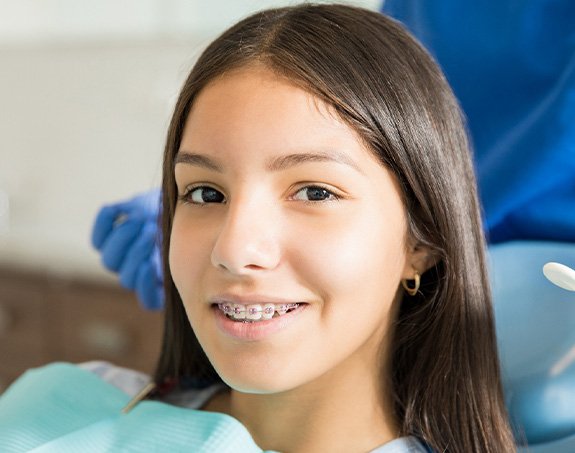
As part of your consultation, you’ll receive an oral exam that checks for factors affecting your braces’ cost. Such factors include:
- Age – How old you are can impact your treatment, leading to higher or lower costs. For example, adults have firmly set teeth that take longer to move.
- Issue Severity – If your orthodontic issues are severe, it’ll cost more to have traditional braces move your teeth.
- Potential Accessories – On top of braces, some patients need supplies like elastic or space maintainers. Such accessories would add to your expenses.
- Care Compliance – Teeth won’t move as intended if you don’t comply with your orthodontist’s instructions. In that case, you’ll have a longer and pricier treatment.
Professional Braces vs. “DIY” Braces: Which Costs More?
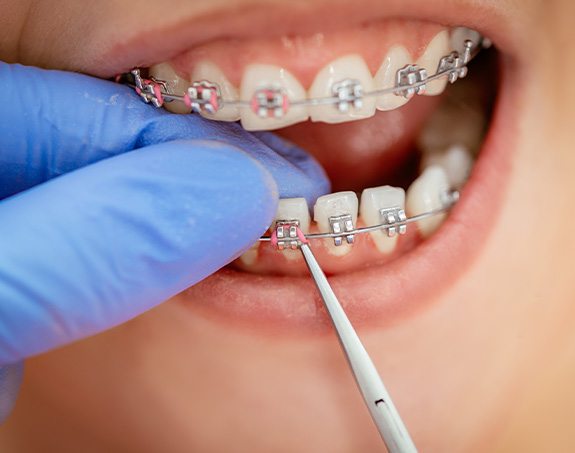
While they may seem like the pricier option, professional braces are the better investment. They save you more money in the long run than do-it-yourself alternatives.
Remember, so-called “DIY” braces don’t offer ideal results. Their effects tend to be short-lived (i.e., a year or less), assuming they quickly move your teeth at all. They’ll also leave your smile at greater risk of reverting to its former, crooked self.
Note also that DIY braces involve more long-term spending. These self-made kinds often damage your teeth and gums, so they tend to incur costly follow-up work. Such care usually takes the form of traditional braces, so “DIY” versions typically defeat their own purpose.
Does Dental Insurance Cover Braces?

While it doesn’t often cover orthodontics, dental plans are more likely to cover metal braces than aligners. Those odds further improve if your teeth need brackets and wires for medical reasons. Notably, many types of dental insurance will cover braces for patients under 18.
In the event you qualify, your benefits would likely cover up to 50% of the cost. Our team can even help that happen by contacting your plan provider for you.
Options for Making Braces Affordable

If you don’t have dental insurance, please don’t worry or panic. You can still get affordable braces by relying on our practice’s payment options! Here at Timeless Smiles Morgan Hill Orthodontics and Dental Practice, these methods can make your care budget-friendly.
One of our best options is our flexible financing program. Through third-party financiers like CareCredit or Alphaeon Credit, a patient can pay for metal braces in monthly installments. This approach ensures you don’t have to cover your entire treatment’s cost at once; you can do so slowly and gradually. Better yet, it involves little to no interest.
To get the braces you need, don’t try to “break the bank.” Visit us instead and let us help you with the financing!
Traditional Braces FAQs
Am I Too Old to Get Braces?
Many patients associate traditional orthodontics with youth because it’s incredibly common to undergo treatment during your teen years. This is likely because your teeth become more firmly embedded in your jaw as you age, so it’s easier and takes less time to reposition them when you’re younger.
Although an estimated 67% of people with braces are indeed 18 years old or younger, there are plenty of adults who need them, too. There’s technically no age limit for this treatment, though it’s important to have a clean mouth before getting started. Our team will examine you for signs of cavities, gum disease, or other issues before clearing you to proceed with braces.
How Long do Traditional Braces Take?
The standard treatment timeline to complete traditional orthodontics ranges from one to three years, but it depends significantly on your unique situation. Several factors affect how long it takes the metal wires and brackets to straighten your smile, including:
- Your age. Adult teeth are less flexible and likely will take longer to shift.
- Severity of misalignments. It typically takes longer to reposition overly crooked or gapped teeth than ones with milder issues.
- Compliance with guidelines. You’ll likely be given a list of dietary restrictions that must be followed to avoid harming your dental gear or other special instructions that must be followed to stay on track with your schedule.
Do Traditional Braces Hurt?
Anything that applies enough pressure to move your teeth has the potential to cause some discomfort, and traditional braces are no exception. It’s normal to feel some aches and tenderness when they’re new because your mouth needs time to adjust to the additional force. Thankfully, this often dissipates after about a week, and it’s usually safe to take over-the-counter meds like Tylenol or ibuprofen to reduce symptoms.
Then, you’ll need to see your dentist every few weeks for a follow-up appointment so they can make the necessary adjustments to your wires to keep everything moving smoothly. It’s normal to feel some soreness after these visits due to the change in pressure.
If you’re worried about metal brackets or wires poking the tissue inside your mouth, our team can provide dental wax that can be placed over sharp edges to safeguard your smile.
What Happens After You Get Your Braces Off?
Huzzah! You’ve finally reached the end of treatment and can have your metal braces removed. Now, what?
Many patients who are excited to show off their recently straightened grin are surprised to learn that they may need to wear a retainer to prevent their teeth from reverting to their previous positions. Typically, this oral appliance is removable, but in some circumstances, it can be permanently fixed in your mouth.
The amount of time you’ll need to wear your retainer depends on your individual situation. Some must have them in 24/7 for a few years, while others only wear them overnight for a year or so. Usually, there’s a gradual reduction in wear time as your mouth acclimates to its new alignment.