
Emergency Dentist – Morgan Hill, CA 

Gentle Care for Hurting Smiles

Our team at Timeless Smiles Morgan Hill knows how stressful dental emergencies are, and that’s why you can always count on us to be there in your smile’s time of need. We strive to see dental patients of all ages and from all walks of life as soon as possible when they call needing an emergency dentist in Morgan Hill, CA. Often, we can get dentistry patients in for an appointment that very same day. Contact us to receive the prompt care your smile needs!

Why Choose Timeless Smiles Morgan Hill for Emergency Dentistry?

  • Same-Day Emergency Appointments
  • Dental Crowns Placed in One Visit
  • Comfort Amenities & Dental Sedation Offered

How We Treat Dental Emergencies
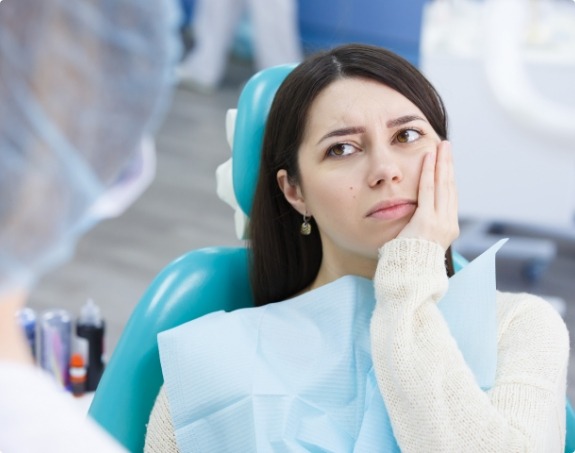
Woman in pain before emergency dentistry

When you call us seeking urgent dental care, you can expect our team to help by:
 

  • Scheduling your appointment – We always keep some time in our schedule for patients with emergencies, and if you need to come in urgently, we’ll book your visit right away. Until then, we can provide first-aid tips over the phone so that you can manage your symptoms.
  • Examining your mouth – As soon as you arrive, we’ll get you seen by Dr. Hong. She’ll examine the area of your mouth that is troubling you, which may include capturing digital X-rays. If you’re in severe discomfort, she’ll also provide relief.
  • Discussing the situation – Dr. Hong will share her findings of the exam and recommend a treatment plan for addressing the emergency and preventing it from returning later on. This plan will also include an estimated cost and timeline.
  • Providing treatment – Because of Dr. Hong’s impressive expertise, she can perform a wide range of dental services in-house to meet your smile’s needs, including same-day dental crowns, root canal therapy, and tooth extractions.

The Most Common Dental Emergencies

When in doubt, it’s best to err on the side of treating your dental emergency right away rather than taking a “wait and see” approach. Dental problems rarely resolve themselves, and addressing them early on can save you from major headaches down the road. If you or a family member are experiencing any of these common dental emergencies, please reach out to us immediately.

Understanding the Cost of Emergency Dentistry

Dental team member and patient discussing the cost of dental emergencies

If you’re like many patients, you may be worried that you’ll be hit with a large bill at the end of your emergency visit. Our team at Timeless Smiles Morgan Hill never wants that to be the case. In addition to being transparent about the price, we will happily answer any questions you have about your treatment options and review all of the financial solutions available, from dental insurance to flexible financing. If you’d like to learn more – from what factors impact the price to how dental insurance can help lower the price of your treatment – keep reading!

Why Every Dental Emergency is Different

Depending on how severe your dental emergency is, the cost of your care can vary significantly. A minor cavity that only needs a small filling, for instance, will cost less to treat than an advanced infection that requires a tooth extraction. The only way to definitively know how much your treatment will cost is to have Dr. Hong take a look. Once we have a grasp on the situation, our team can draw up a price estimate and explore your financing options.

Does Dental Insurance Cover Dental Emergencies?

Oftentimes, yes! Although it’s important to always review the fine print on your plan, many patients have benefits that can help reduce the cost of emergency dental care, including 50% to 80% of coverage on restorative dentistry. If you’re unfamiliar with your dental insurance, you can always get in touch with your provider directly. Or, you can ask our team for help! We welcome Delta Dental, Aetna, BlueCross BlueShield, and several other popular providers. That means we can help you understand your coverage, file the claims for you, and answer any questions you have with ease.

Other Options for Making Dental Emergencies Affordable

Of course, dental insurance isn’t the only way to make emergency dental care more affordable. Our patients at Timeless Smiles Morgan Hill can also utilize:

  • Flexible financing – With CareCredit and Alphaeon Credit, you don’t have to pay for your entire treatment upfront. Their payment plans allow you to instead space-out the installments into manageable chunks that won’t put a pinch on your wallet.
  • Our in-house membership plan – This financial solution comes with numerous benefits, including 1 emergency dental exam, significant discounts on treatments completed at our office, and no annual deductibles or maximums!

How Taking Care Of Your Smile Can Save You Money

It’s true; accidents cannot be prevented. With that said, many common dental injuries are largely avoidable with the right best practices in place, such as visiting us semi-annually for a checkup and cleaning and avoiding unhealthy dental habits (i.e., chewing on ice, not flossing regularly, and using tobacco products). As a result, commitment to good oral hygiene can benefit your smile as well as your wallet!

Keys to Preventing Dental Emergencies

Woman flossing teeth to prevent dental emergencies

Since sudden accidents cannot be predicted, there’s no way to eliminate your risk of experiencing a dental emergency entirely. With that said, you can reduce the chances by taking the right precautions. If you’re not sure where to start, don’t worry – this next section covers everything you need to know!

Visit Your Dentist Regularly

Patient smiling while sitting in treatment chair

All too often, patients skip their biannual dental visits because they aren’t experiencing any abnormal symptoms. However, routine exams allow Dr. Hong to recognize potential emergencies and stop them in their tracks. Plus, the cleaning portions of your appointments are dedicated to removing plaque and tartar in an effort to prevent tooth decay, gum disease, and the like from developing in the first place.

Important reminder: If your gums start to bleed when you floss, you feel a sharp stabbing pain when you bite down, or you’re experiencing any other warning signs of trouble, don’t wait – schedule an appointment at our emergency dental office in Morgan Hill right away.

Take Good Care of Your Smile at Home

Woman smiling while brushing her teeth

Of course, taking care of your smile only twice a year won’t suffice; you need to brush and floss daily as well. It’s also important to clean your tongue, rinse with mouthwash for 30-60 seconds each night, and replace your toothbrush head every quarter. If you ever have any questions about your at-home oral hygiene regimen, including which type of toothpaste you should use, you’re more than welcome to give us a call.

Stick to a Nutritious Diet

Woman in green sweater eating salad at home

It’s very common for patients to underestimate how big an impact their diet has on their oral health. The truth is that eating too much ice cream, soda, and other sweet treats can quickly lead to tooth decay. Similarly, eating extremely crunchy foods, like peanut brittle, can cause your enamel to chip or crack. So, it’s best to stick to mostly nutrient-dense, well-balanced meals that are filled with smile-friendly foods, like cottage cheese.

Wear a Mouthguard During Sports

Woman smiling while exercising outside

In short, you should wear a mouthguard if you participate in sports or activities that carry the risk of dental injury. If you don’t have one already, don’t buy the one-size-fits-all ones that they sell online (they are usually very uncomfortable and can even be a choking hazard). Instead, schedule an appointment at our office so we can have a custom one made.

Don’t Use Your Teeth as Tools

Closeup of patient biting their nails

Although enamel is one of the strongest substances in the human body, it can break with enough force. That’s why we advise against using your teeth to remove plastic wrapping or a bottle cap. For similar reasons, you shouldn’t smoke, bite your nails, or chew on anything other than food, like the back of your pencil.

Dental Emergency FAQs

Will My Toothache Go Away on Its Own?

Despite popular belief, toothaches do not heal on their own. In fact, a once-painful toothache that has “disappeared” may actually be an indicator the infection has damaged the nerve of the tooth! Therefore, it’s always a good idea to schedule an appointment with your emergency dentist in Morgan Hill right away. From there, they can determine the root of the problem and put a plan in place to restore the look and function of your smile.

My Chipped Tooth Doesn’t Hurt. Do I Still Need a Dental Visit?

Even if your chipped tooth doesn’t hurt, it’s a good idea to schedule an appointment with Dr. Hong. Although you may not be in any pain, the inner layers of your tooth could be vulnerable to damage. Plus, your chipped tooth may break further without professional attention, resulting in sensitivity, soreness, and overall discomfort. With that being said, you can most likely afford to wait a day or two until your appointment if needed. Just make sure you don’t put off seeing her for too long.

What Does Throbbing Tooth Pain Mean?

It’s likely a sign of an infection or inflammation within the tooth. Cavities or cracks inside the tooth allow air and bacteria to reach the sensitive inner area where the pulp lies. This results in irritation and potential infection of pulp nerves to cause pain. It can also occur if decay is present. In other cases, throbbing teeth could be due to chronic teeth grinding and clenching.

Should I Visit the Emergency Room First for Dental Emergencies?


Unfortunately, most emergency rooms are not able to address dental emergencies effectively. However, there are three main exceptions where an ER visit is a better option, including:

  • Jaw fractures and dislocations

  • Serious cuts or lacerations to the face or mouth
  • Abscess or infection swollen to the point of affecting breathing or swallowing

In virtually all other circumstances, you should visit your dentist for an optimal outcome.

Toothaches

Is my toothache a dental emergency? Although a toothache might not always be an urgent situation, you won’t want to ignore it for long. The underlying reason for it can range anywhere from a stuck object between your teeth to an oral infection that’ll need treatment right away. If you feel nauseous, swelling around the tooth, excessive discomfort that won’t go away, or you see discoloration, notify our team immediately for help.

How you should handle a toothache: First, rinse your mouth out with lukewarm water and try to floss so that you can dislodge anything that might be stuck in your smile. Be sure to also take over-the-counter pain relievers if you’re experiencing discomfort until you’re able to visit your dentist.

How we treat toothaches: Our team will need to assess your situation to determine the root cause of your toothache so we can provide the proper treatment for it. In minor cases, we might treat a cavity with a dental filling. If the problem is more serious, we may have to perform gum disease treatment, root canal treatment, or even tooth extractions if necessary.

Chipped Tooth

Is a chipped tooth a dental emergency? Chipped teeth aren’t always a dental emergency, especially since they sometimes aren’t painful after a while. However, if left unchecked, they could become vulnerable to bacteria and infection, or further damage, so it’s best to see your dentist before that can happen.

How you should handle a chipped tooth: Bring any pieces of your tooth with you to your appointment so that our team can potentially bond them back in place. In the meantime, try using dental wax or even sugar-free gum to protect your soft oral tissues from any sharp or jagged edges in your tooth.

How we treat chipped teeth: If possible, our team can try to use composite resin to reshape and renew your chipped tooth or bond any large pieces of it back in place. For more visible damage, you might consider getting veneers for a longer-lasting solution.

Cracked Tooth

Is a cracked tooth a dental emergency? A cracked tooth will need to be treated right away, as it can be vulnerable to further damage as well as infection. Some cracks aren’t visible as they can be in the inner layers of the tooth. If you suspect that one of your pearly whites is damaged, make sure to visit your dentist straight away for treatment.

How you should handle a cracked tooth: After notifying our team about your cracked tooth, make sure you avoid applying any pressure on it or chewing on anything with that side of your mouth. Be gentle when cleaning your teeth and feel free to take painkillers as directed on the label.

How we treat cracked teeth: We will first evaluate your affected tooth to determine the best way to treat it. In some instances, using composite resin can be enough to renew your tooth. For more severe damage, our team might have to provide you with a custom dental crown or even extract the tooth to save the rest of your smile.

Very Sensitive Teeth

Are very sensitive teeth a dental emergency? Tooth sensitivity might not be a dental emergency, but you’ll want to visit your dentist if the situation worsens over time. This can also be an indication of a more serious problem, such as gum disease, so you’ll want to get it treated early on.

How you should handle sensitive teeth: Avoid eating or drinking anything hot, cold, or acidic until you’ve been able to visit your dentist. Do not apply pressure to the tooth as this can worsen your discomfort.

How we treat tooth sensitivity: We will thoroughly examine your mouth to detect the main issue causing your tooth sensitivity. In minor instances, we might be able to resolve your issue with services like fluoride treatment, fillings, or even nightguards for bruxism. For more serious problems, we might have to provide you with gum disease treatment or root canal therapy.

Knocked-Out Tooth

Is a knocked-out tooth a dental emergency? A knocked-out tooth will need to be treated right away for the best chance of survival. Try to get to your emergency dentist within 30-60 minutes to have the highest rate of successfully saving your tooth.

How you should handle a knocked-out tooth: Try your best to preserve your tooth in milk or saline solution to keep it moist and viable for reinsertion. Of course, rinse it off of any debris or dirt beforehand, and you might try putting it back in its socket if possible.

How we treat knocked-out teeth: Our team will do everything we can to save your tooth. If viable, we can splint it to a nearby healthy tooth so that it can heal back in place. If we aren’t able to save it, then we’ll have to discuss alternative tooth-replacement options, such as a dental bridge, denture, or implants.

Lost Filling or Crown

Is a lost filling or crown a dental emergency? Fillings and dental crowns aren’t supposed to last forever, so it won’t be the end of the world if you lose one of your restorations. That said, leaving your tooth exposed can invite bacteria and future damage, so you’ll want to get your filling or crown replaced as soon as possible.

How you should handle a lost filling or crown: Do not disturb the area around your tooth with your finger or tongue. Be extra careful when brushing and flossing around the area, as your tooth may be more sensitive. Avoid eating cold, hot, or acidic foods. You can also try temporarily recementing your restoration with dental wax until you’re able to see your dentist.

How we treat lost fillings or crowns: Our team will try to bond your filling or crown back in place if possible. However, if the restoration is damaged, we’ll likely just provide you with a new one. We’ll also need to verify the root cause of losing your restoration so that we can treat it.

Broken Dentures

  • Is My Broken Denture a Dental Emergency? You may not consider your damaged dentures to be urgent, but wearing them in their current condition might injure your gums, jaws, soft tissues, or any remaining teeth. Please contact our office for assistance as soon as possible.
  • How You Should Handle a Broken Denture: Call us and let us know what happened, and we’ll schedule an appropriate time to see you. Then, you should avoid wearing them or trying to fix them yourself with superglue or other household products. These are usually not intended for oral use and can be toxic if ingested.
  • How We Treat Broken Dentures: The treatment depends on the type and severity of the harm done. For instance, injured pontics (artificial teeth) might be repaired with dental bonding. However, if the base is fractured, Dr. Hong can help provide a new set to restore your smile. You may want to consider a more reliable replacement, such as dental implants.

Loose Permanent Tooth

  • Is a Loose Permanent Tooth a Dental Emergency? Sometimes also referred to as partially dislodged or extruded, a loose adult tooth always deserves immediate attention to repair the damage before it is lost altogether.
  • How You Should Handle Loose Permanent Teeth: Try to avoid touching it with your fingers or tongue which might force it out of place. Also, try not to eat anything too hard or sticky that could push or yank it. You can cleanse your mouth by rinsing with warm water, but you should avoid brushing or flossing the destabilized tooth.
  • How We Treat Loose Permanent Teeth: Sometimes, a stint or other solution can be utilized to help stabilize the tooth so it can eventually reintegrate with your jawbone. Otherwise, Dr. Hong will examine your mouth and recommend an appropriate solution. If the tooth is beyond saving, we might suggest extracting and replacing it.

Injury to the Gums, Lips, or Tongue

  • Is an Injury to the Gums, Lips, or Tongue a Dental Emergency? Cuts or other injuries to the tender tissues inside your mouth tend to bleed, which can be alarming. Contact our team in Morgan Hill to let us know what happened, and we’ll let you know if we can help or if you should visit the nearest ER, depending on your circumstances.
  • How You Should Handle an Injury to the Gums, Lips, or Tongue: You can gently rinse your mouth with water to remove dirt, bacteria, and debris that can cause infection. Then, apply a clean towel or gauze to the wound and press firmly for 10 minutes to slow bleeding. You can also place an ice pack against the sore side of your face to help reduce swelling and associated aches.
  • How We Treat Injuries to the Gums, Lips, or Tongue: Dr. Hong can sometimes assist with stitching more minor wounds closed or providing sedation to reduce pain or antibiotics to help avoid an infection. However, if the laceration is severe or bleeding doesn’t slow after placing firm pressure, it’s best to go to the local emergency room.

Jaw Pain

  • Is Jaw Pain a Dental Emergency? There are many potential causes behind a throbbing jaw and not all of them are emergencies. However, if your pain becomes persistent, severe, or interferes with your ability to open or close your mouth, you should contact us to help avoid potential oral health problems later.
  • How You Should Handle Jaw Pain: Call our office in Morgan Hill and we’ll schedule an appropriate appointment and might also provide additional care instructions over the phone for you to follow. For instance, we might recommend sticking to softer foods that require less biting or chewing, applying an ice pack to reduce aches and swelling, or taking over-the-counter medications.
  • How We Treat Jaw Pain: Dr. Hong will examine your condition and may take X-rays or other images to determine the underlying cause of your discomfort. Then, based on her findings, she might recommend an occlusal adjustment or provide a customized oral appliance to correct your bite alignment and reduce associated TMJ symptoms.

Learn More About TMJ Therapy

Something Stuck Between the Teeth

Having a piece of food or other object lodged between your teeth or beneath your gums can be incredibly irritating, but it isn’t always considered an emergency. You can try to gently remove it by rinsing your mouth with water, or carefully brushing and flossing. If that doesn’t help, contact our team to schedule an appointment.

Please avoid trying to remove the object with toothpicks, knives, forks, or other household items that might injure your teeth or gums in the process. Dr. Hong has the experience and specialized equipment to remove whatever is trapped while preserving your dental condition.