
Wisdom Tooth Extractions – Morgan Hill, CA
Carefully Removing Troublesome Wisdom Teeth
Since wisdom teeth are the last to arrive, most people don’t have enough room in their mouths for them. As a result, they often lead to an increased risk of pain, infections, and more. To prevent this, Dr. Shilpa, Dr. Naveen, and Dr. Hong closely monitor their development. If they determine that the teeth need to be removed, then they'll perform wisdom tooth extractions at our Morgan Hill dental office with the utmost gentleness and precision.
Why Choose Timeless Smiles Morgan Hill Orthodontics and Dental Practice for Wisdom Tooth Extractions?
- Dental Sedation & Comfort Amenities Offered
- Same-Day Emergency Dental Visits
- Highly Skilled, Kois-Trained Dentist
What are Wisdom Teeth?
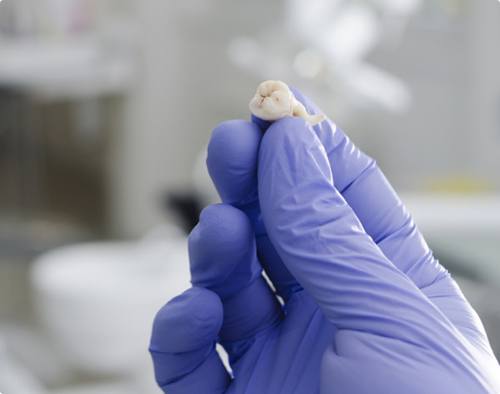
In short, wisdom teeth are the third set of molars. They typically make an appearance in a person’s late teens or early twenties. With that said, there are some patients who don’t develop them at all! That’s why it’s so important for our dentists in Morgan Hill to take new X-rays every year. This ensures that they can monitor what’s going on underneath the gumline and, if necessary, perform an extraction.
Why Do Wisdom Teeth Need to Be Removed?

Some people go their whole lives without their wisdom teeth causing trouble. In fact, removing them is only necessary if a problem could occur otherwise. For example, the wisdom teeth might:
- Not have sufficient room to erupt past the gumline, becoming impacted (stuck) and causing pain.
- Only emerge partially, making them difficult to clean and increasing the risk of tooth decay and infections.
- Damage them and/or push them out of alignment.
What to Expect from the Wisdom Teeth Procedure

The extraction process will look a bit different depending on whether or not the tooth in question is trapped underneath the gumline. If that’s the case, then an incision needs to be made in the gums first. Then, the tooth can be removed section by section, and we can tend to the extraction site. Conversely, if the tooth has already broken through the gumline, then we can simply grip it, rock it loose, and remove it.
Recovering From Wisdom Teeth Extraction

To ensure you can heal comfortably at home, your dentist in Morgan Hill will provide you with a list of aftercare instructions, like:
- Sticking to a liquid diet for the first 24 hours (no straws)
- Not smoking, spitting, or exercising
- Brushing and flossing carefully, especially around the extraction site
- Taking prescribed or OTC pain medication as directed
- Keeping your head elevated, even while you sleep
- Changing the gauze pads as needed
As the days go on, you should feel progressively better. If you’re continuing to experience soreness, discomfort, and sensitivity after the one-week mark, then let us know.
Understanding the Cost of Wisdom Tooth Extractions

Wisdom teeth were likely helpful for our early ancestors, but today they seem to do more harm than good. A high percentage of people don’t have enough room in their mouths to accommodate wisdom teeth, so they need to be removed. However, this procedure is often put off due to fear of cost. Everyone’s treatment is a little bit different, so the cost can vary. During your consultation, we will discuss the exact cost of your treatment. Until then, here’s what you should take into consideration.
Factors That Can Impact the Cost of Wisdom Tooth Extractions
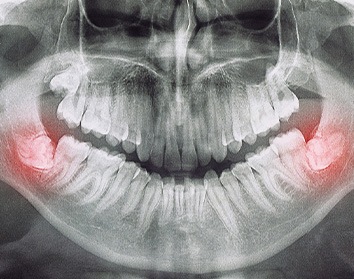
The cost of wisdom tooth extractions can vary. Here are the main factors that influence this.
- Number of Teeth: Some people don’t develop all four of their wisdom teeth. Others may not need all of them taken out. We will examine your smile and determine the best treatment course for you.
- Impaction: If you have wisdom teeth that are impacted, the procedure is more complex. This can lengthen the treatment time, increasing the cost.
Does Dental Insurance Cover Wisdom Tooth Extractions?

Wisdom tooth extractions are normally considered to be a “major restorative procedure” by dental insurance providers. This means that after your yearly deductible has been met, and before you have reached your maximum, the procedure is likely to be covered at about 50%. However, this can vary depending on your plan. At Timeless Smiles Morgan Hill Orthodontics and Dental Practice, we are proud to be in-network with numerous popular dental insurance providers and can process and file claims for nearly every PPO dental plan!
How to Make Wisdom Tooth Extractions Affordable

If you don’t have dental insurance, this doesn’t mean that you are completely out of luck. We are happy to accept payments through various third-party financing companies that can split the cost of your treatment into manageable monthly installments with little to no interest. These include CareCredit and Alphaeon Credit. If you have any questions or need help applying, give us a call!
Wisdom Tooth Extractions FAQs
Is Wisdom Tooth Removal Painful?
Though it may sound (or look) painful, wisdom tooth removal doesn’t hurt at all. The process is free of discomfort for those who undergo it.
The truth is that your dentist will numb your mouth before surgery. By applying an anesthetic to the treatment site, they ensure you won’t feel pain as they extract your wisdom tooth. The most you might sense is slight pressure as the third molar is gently rocked back and forth.
If you do experience discomfort, it’ll only be after the removal is done. Even this soreness is temporary, though; you should feel normal again within a week.
How Long Does Wisdom Tooth Surgery Take?
It takes dentists about 15-20 minutes to extract one wisdom tooth, with the removal of all four often requiring 90 minutes. Factors like tooth location, position, and impaction can also affect the final surgery timeline. Still, your procedure is almost certain to feel short to you.
You see, dentists typically sedate (as well as anesthetize) patients for wisdom tooth extraction. That means you should barely feel time pass amid your procedure. Dental sedatives (temporarily) disrupt your ability to form short-term memories, so your care will seem instantaneous to you. It’ll be as if you started treatment one moment and finished it the next.
When Can I Use a Straw After Wisdom Tooth Removal?
Suction force can dislodge the extraction site’s blood clot, so you shouldn’t use a straw right after your wisdom tooth removal. That said, when you can depends on various factors.
The general consensus is that you should wait at least two to three days. After all, that’s usually enough time for an extraction site to heal sufficiently from treatment. The exact number of hours or days, though, will depend on your age, medical history, rate of healing, and so on.
If you really want a precise estimate, talk to your local dentist. They can provide a more accurate recommendation based on your unique circumstances.
Do Wisdom Teeth Stitches Dissolve?
Often enough, yes – wisdom teeth stitches usually dissolve on their own. It takes them roughly a few weeks or even a month for them to do so.
That today’s wisdom tooth stitches dissolve is a matter of convenience. Rather than make patients get a follow-up appointment to remove the string, dentists can have the material go away naturally. Only in certain cases will a dentist or surgeon place stitches that don’t dissolve over time. In such scenarios, they’ll let you know when you need to return for removal.
I Need a Checkup & Cleaning I Need a Dentist for My Child I am Concerned About Bleeding Gums I Have a Cavity or Broken Tooth I am Missing One or More Teeth I Want to Enhance My Smile I Want a Straighter Smile I am Scared of the Dentist I am in Pain & Need Help I Have Pain in My Jaw View Our Services